
Walking has always been one of the simplest ways to stay active, but a new style called lymphatic walking is getting attention in the wellness world in 2026..Lymphatic Walking: The 10-Minute Walking Routine Trending in 2026.

Unlike intense cardio workouts, lymphatic walking focuses on gentle movement, comfortable walking, relaxed breathing and consistency.
Recent wellness coverage has highlighted it as a trending low-intensity movement routine, particularly because it is easy to fit into a busy day.
But is lymphatic walking really different from ordinary walking? And how can you try it safely?
Let’s break it down.
What Is Lymphatic Walking?
Lymphatic walking is a gentle walking routine that combines comfortable movement with controlled breathing and relaxed body movements.
The idea is simple: instead of walking as fast as possible, you focus on steady steps, relaxed shoulders, natural arm movement and deeper breathing.Lymphatic Walking: 10-Minute Routine & Benefits in 2026.
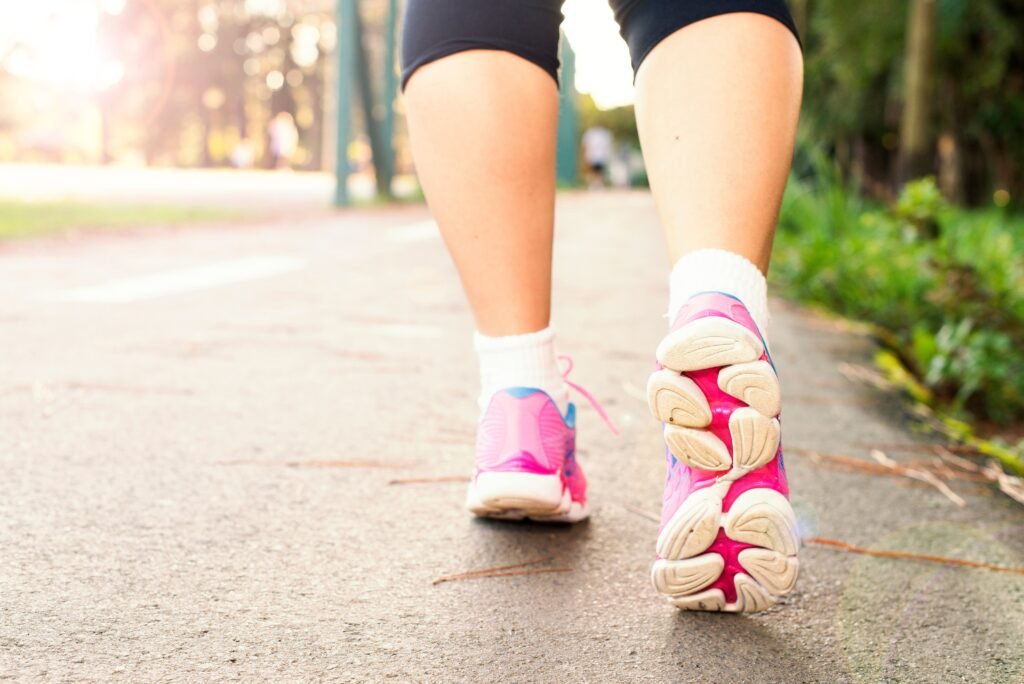
Your calf and other muscles naturally contract when you walk, helping blood and fluid move through the body. Gentle movement can therefore be a useful part of an overall active lifestyle.
Importantly, lymphatic walking should not be viewed as a miracle treatment or a replacement for medical care.
Why Is Lymphatic Walking Trending in 2026?
One reason is that many people are moving away from complicated workout routines and looking for activities they can actually maintain.
Recent coverage has also highlighted the popularity of gentle walking routines, including short walks after meals and during periods of prolonged sitting.

Walking itself continues to receive strong attention because it can support cardiovascular health, physical activity levels, mood and weight management.
That makes gentle walking an attractive option for beginners and people who don’t enjoy intense workouts.
5 Potential Benefits of Lymphatic Walking
1. It Encourages Regular Movement
One of the biggest advantages is simplicity.
You don’t need a gym, expensive equipment or a complicated workout plan. A comfortable pair of shoes and a safe walking area are usually enough.
Even a short walk can help break up long periods of sitting.
2. It Supports Circulation
Walking activates muscles throughout the legs and body. The repeated muscle contractions help support normal blood circulation.
Regular movement is particularly useful for people who spend much of the day sitting.
3. It May Support Digestion
Gentle walking after eating is becoming increasingly popular.
Short walks can be a comfortable way to stay active after meals, and walking has been associated with benefits related to digestion and feelings of fullness.
However, avoid turning a post-meal walk into an intense workout.
4. It Can Support Weight Management
Walking burns energy and can contribute to an overall active lifestyle.
For weight management, consistency matters more than trying to destroy yourself with one extremely difficult workout.
Current 2026 fitness guidance continues to emphasize exercise as an important part of weight management.
5. It’s Beginner-Friendly
Not everyone is ready for running, HIIT or heavy strength training.
A gentle walking routine can be easier to start and maintain. You can gradually increase your walking time as your fitness improves.
How to Do a 10-Minute Lymphatic Walking Routine
Try this simple beginner routine:
Minute 1–2:
Walk slowly and comfortably. Relax your shoulders and allow your arms to move naturally.
Minute 3–5:
Increase your pace slightly while maintaining comfortable breathing.
Minute 6–8:
Continue walking at a steady pace. Focus on smooth steps rather than speed.
Minute 9–10:
Slow down gradually and take relaxed, comfortable breaths.
You can perform this routine indoors or outdoors, depending on your space and weather.
Can You Do It After Eating?
A gentle walk after a meal can be a reasonable way to add movement to your day.
The key is keeping the intensity comfortable. You don’t need to run or perform strenuous exercise immediately after eating.

If walking after meals causes discomfort, reduce the intensity or wait longer before exercising.
Lymphatic Walking vs. Normal Walking
The biggest difference is usually the focus, not the basic movement.
Normal walking can be performed at many intensities and for many different goals. Lymphatic walking generally emphasizes gentle movement, relaxed breathing and consistency.
There is no need to believe that the word “lymphatic” makes a simple walk dramatically more powerful.
The real value comes from regular physical activity and healthy habits.
Who Should Be Careful?
Lymphatic walking is generally a gentle form of activity, but it isn’t appropriate to assume that every exercise is safe for every person.
If you have significant swelling, unexplained pain, breathing problems, a diagnosed circulation or lymphatic condition, or another medical concern, speak with a qualified healthcare professional before starting a new exercise routine.
Stop exercising if you experience severe pain, dizziness, unusual shortness of breath or other concerning symptoms.
Lymphatic walking is one of the more interesting gentle-movement trends of 2026, but you don’t need to treat it as a miracle workout.
The biggest benefit is that it encourages people to move more consistently.
Start with 10 minutes, keep your pace comfortable and gradually build your activity over time. Combined with nutritious food, adequate sleep and other forms of exercise, regular walking can become a simple part of a healthier lifestyle.
Frequently Asked Questions
Is lymphatic walking good for weight loss?
It can contribute to weight management by increasing physical activity and energy expenditure, but it should be combined with an overall healthy lifestyle.
How long should I do lymphatic walking?
Beginners can start with around 10 minutes and gradually increase their walking time according to their fitness level.
Can I do lymphatic walking every day?
For many healthy adults, gentle walking can be part of a regular activity routine. Start gradually and listen to your body.
Is lymphatic walking better than normal walking?
Not necessarily. The term mainly describes a gentle, mindful style of walking. Regular walking itself has many established health benefits.
Can I do it after meals?
A gentle walk after eating can be comfortable for many people. Keep the intensity low and stop if you experience discomfort.