
Weight loss has traditionally been associated with cardio, long walks, running, and strict diets. But in 2026, the conversation is changing.
More fitness experts are emphasizing strength training as an important part of a healthy weight-loss routine—not simply because it can help burn calories, but because maintaining muscle matters when you are trying to improve body composition.
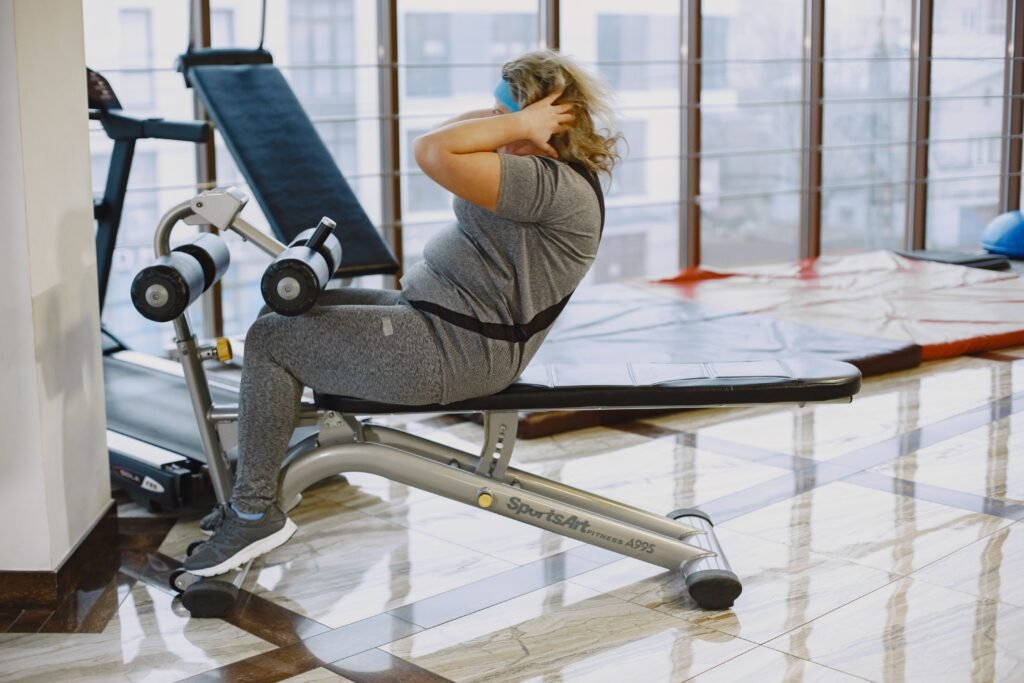
Recent fitness coverage has highlighted a shift toward strength training and muscle preservation, particularly as weight-loss medications such as GLP-1 drugs become more widely discussed.
The good news is that you don’t need an expensive gym membership to begin. Bodyweight exercises, resistance bands, dumbbells, and simple home workouts can all be useful.
What Is Strength Training?
Strength training is exercise that makes your muscles work against resistance.
That resistance can come from:
- Your own body weight
- Dumbbells
- Resistance bands
- Weight machines
- Kettlebells
- Household objects
Common strength exercises include squats, lunges, push-ups, rows, and overhead presses.
Unlike some forms of cardio, strength training focuses heavily on challenging your muscles.
Why Strength Training Can Help With Weight Loss
1. It Helps You Maintain Muscle
When people lose weight, the goal should not simply be to make the number on the scale smaller.
Maintaining muscle is important for strength, movement, and everyday physical function. A weight-loss plan that combines appropriate nutrition with resistance exercise can help make the process more focused on improving body composition.

This is one reason strength training is receiving more attention in today’s weight-management conversation.
2. It Makes Your Body Stronger
Weight loss isn’t the only measure of fitness.
You may notice that regular strength training makes everyday activities easier. Carrying groceries, climbing stairs, getting up from a chair, or lifting objects can become more comfortable as your muscles become stronger.
That can make exercise feel more rewarding than simply watching the scale.
3. You Can Train at Home
You don’t need a complete home gym.
Start with simple movements such as:
Bodyweight squats: 8–15 repetitions
Wall push-ups: 8–15 repetitions
Glute bridges: 10–15 repetitions
Chair sit-to-stands: 8–15 repetitions
Resistance-band rows: 8–15 repetitions
Choose exercises that match your current fitness level and focus on controlled movement rather than rushing through repetitions.
A Simple 20-Minute Beginner Routine
If you’re new to strength training, keep your first workouts simple.
Warm-up — 3 minutes
Walk around your room or march gently in place. Move your shoulders, hips, and ankles to prepare your body.
Squats — 10 repetitions
Keep your chest comfortable and lower yourself slowly. If regular squats are difficult, use a chair for support.
Wall Push-Ups — 10 repetitions
Place your hands against a wall and perform a controlled push-up. As you become stronger, you can gradually progress to a lower surface or eventually floor push-ups.
Glute Bridges — 12 repetitions
Lie on your back with your knees bent. Lift your hips gently and squeeze your glutes at the top.
Resistance-Band Rows — 10 repetitions
If you have a resistance band, use it for controlled pulling movements to train your upper back.
Rest — 30–60 seconds
Repeat the circuit two or three times depending on your fitness level.
Don’t Forget Walking
Strength training doesn’t mean you have to stop walking.
Walking remains an accessible way to stay physically active, and activity trackers can help people monitor movement and set realistic goals.
A balanced routine can combine:
Walking + Strength Training + Healthy Nutrition + Quality Sleep
This approach is generally more sustainable than relying on one exercise or one food.
How Often Should You Strength Train?
Beginners don’t need to train hard every day.
A practical starting point is two or three strength-training sessions per week, allowing recovery between challenging sessions.
On other days, you can focus on walking, mobility exercises, light activity, or rest.
The important thing is consistency.
What About Protein?
Protein is another major part of the current fitness conversation. The idea of increasing protein intake has become a major wellness trend in 2026, but more protein isn’t automatically better for everyone.
Instead of obsessing over extremely high protein intake, focus on including reasonable protein sources in balanced meals.
Examples include:
- Eggs
- Fish
- Chicken
- Yogurt
- Milk
- Beans
- Lentils
- Chickpeas
- Tofu
- Nuts and seeds

Your individual protein needs depend on factors such as body size, age, activity level, and health status.
5 Mistakes to Avoid
Mistake 1: Starting Too Hard
Doing an intense workout on your first day can leave you extremely sore and make you want to quit.
Start gradually.
Mistake 2: Only Watching the Scale
Your weight can fluctuate because of water, food, and other factors. Track other improvements too, such as strength, energy, fitness, and how your clothes fit.
Mistake 3: Ignoring Recovery
Training is only one part of fitness. Your body also needs adequate recovery.
Recent fitness reporting has placed increasing emphasis on recovery alongside exercise.
Mistake 4: Using Poor Technique
More repetitions aren’t always better.
Learn the basic movement first, then gradually increase difficulty.
Mistake 5: Expecting Overnight Results
Healthy body-composition changes take time.
Instead of looking for dramatic results in a few days, build habits that you can maintain for months.
Strength training is becoming an increasingly important part of the 2026 weight-loss conversation. The goal isn’t simply to burn as many calories as possible. A smarter approach is to build a routine that supports strength, muscle, movement, nutrition, and long-term health.
You can start at home with just 15–20 minutes, two or three times a week.
Combine that with regular walking, balanced meals, adequate protein, and good recovery, and you have a much more complete fitness routine.
Remember: if you have a medical condition, an injury, or are taking weight-loss medication, speak with a qualified healthcare professional before making major changes to your exercise or diet routine.
Frequently Asked Questions (FAQs)
1. Is strength training good for weight loss?
Yes. Strength training can support weight loss by helping you build and maintain muscle while improving overall fitness. It works best when combined with a balanced diet and regular physical activity.
2. How many days a week should beginners do strength training?
Beginners can start with 2–3 strength-training sessions per week. Give your muscles enough recovery time between challenging workouts.
3. Can I do strength training at home?
Yes. You can start with bodyweight exercises such as squats, wall push-ups, lunges, glute bridges, and chair sit-to-stands. Resistance bands and dumbbells can be added as you progress.
4. Can strength training reduce belly fat?
Strength training can support overall fat loss and improve body composition, but you cannot specifically choose where your body loses fat. A consistent exercise routine and appropriate nutrition are more important than targeting one body area.
5. Is walking or strength training better for weight loss?
Both can be useful. Walking provides accessible aerobic activity, while strength training helps develop and maintain muscle. Combining both can create a more balanced fitness routine.
6. How long should a beginner strength workout last?
A beginner can start with 15–30 minutes per session. You don’t need extremely long workouts to make progress.
7. Do I need weights to start strength training?
No. Beginners can start with bodyweight exercises. As you become stronger, you can gradually add resistance bands, dumbbells, or other forms of resistance.
8. What should I eat after strength training?
A balanced meal containing protein, carbohydrates, vegetables or fruit, and healthy fats can support recovery. Examples include eggs with whole-grain toast, yogurt with fruit, or chicken with rice and vegetables.
9. Can strength training help beginners become stronger?
Yes. Consistent resistance exercise can improve muscular strength over time. Beginners should focus on proper technique and gradually increase the challenge.
10. How long does it take to see results from strength training?
Results vary from person to person. Many beginners notice improvements in strength and exercise performance before seeing major physical changes. Consistency over several weeks and months is key.


Thanks you for suppoting