10 Minute Home Workout,,

In 2026, busy lifestyles have made home workouts more popular than ever. Many people want to lose fat, improve fitness, and build strength but do not have enough time to visit a gym. The good news is that you can start your fitness journey with just 10 minutes o10 Daily Habits That Naturally Boostf home workout every day.

A woman working out inside with a jump rope, promoting fitness and activity.

A short but effective workout routine can help beginners increase energy, improve metabolism, strengthen muscles, and support healthy weight loss. You do not need expensive equipment or a gym membership. All you need is a small space, motivation, and consistency.

In this guide, we will share a simple 10-minute home workout for beginners that helps burn calories and build full-body strength.

Benefits of a 10 Minute Home Workout

1. Helps Burn Fat Naturally

Short high-intensity exercises can increase your heart rate and help your body burn more calories. When combined with a healthy diet, a regular home workout can support fat loss.

2. Builds Strength Without Equipment

Bodyweight exercises like squats, push-ups, and planks use your own body weight to strengthen muscles.

3. Saves Time

One of the biggest advantages of a 10-minute workout is that anyone can fit it into their daily routine. You can exercise before work, after waking up, or in the evening.

4. Improves Energy Levels

Regular movement increases blood circulation and can help you feel more active throughout the day.

5. Supports Mental Health

Exercise releases endorphins, which can improve mood and reduce daily stress.

10 Minute Home Workout Routine for Beginners

Minute 1: Jumping Jacks
10 Minute Home Workout

How to do it:

  • Stand straight with your feet together.
  • Jump while moving your arms above your head.
  • Return to the starting position.

Benefits:

  • Increases heart rate
  • Burns calories
  • Warms up the body

Beginners can perform slow jumping jacks or step jacks if jumping feels difficult.

Minute 2: Bodyweight Squats

Squats are one of the best exercises for strengthening your legs and improving lower-body fitness.

How to do it:

  • Stand with feet shoulder-width apart.
  • Lower your hips as if sitting on a chair.
  • Keep your back straight.
  • Return to standing position.

Benefits:

  • Strengthens thighs and hips
  • Improves balance
  • Supports fat burning

Minute 3: Push-Ups

Push-ups help build upper-body strength and improve muscle endurance.
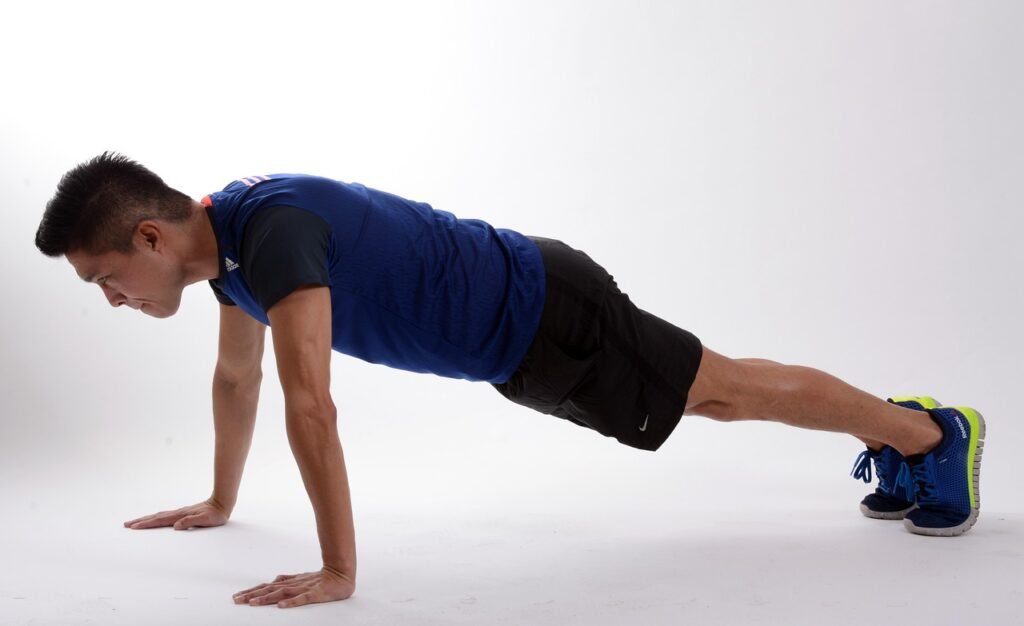
sport, fitness, exercise, pilates, man face, male body, body, men, man, shirtless, iron, lizards, push up, burpee, jump, training, they grabbed, keiji, keiji yoshiki, coach, instructor, athlete, push up, push up, push up, push up, push up

How to do it:

  • Place your hands on the floor.
  • Keep your body straight.
  • Lower your chest and push back up.

Beginners can start with knee push-ups.

Benefits:

  • Strengthens chest muscles
  • Builds arm strength
  • Improves core stability

Minute 4: Mountain Climbers

Mountain climbers are excellent for burning calories and improving full-body fitness.

How to do it:

  • Start in a plank position.
  • Bring one knee toward your chest.
  • Switch legs quickly.

Benefits:

  • Burns fat
  • Improves stamina
  • Works multiple muscles

Minute 5: Plank Hold

The plank is a powerful exercise for core strength.

How to do it:

  • Place your forearms on the floor.
  • Keep your body in a straight line.
  • Hold the position.

Beginners can start with 15–20 seconds.

Benefits:

  • Strengthens abdominal muscles
  • Improves posture
  • Supports back health

Minute 6: Lunges

Lunges improve leg strength and balance.

How to do it:

  • Step forward with one leg.
  • Lower your body slowly.
  • Push back to the starting position.

Benefits:

  • Strengthens legs
  • Improves coordination
  • Builds lower-body muscles

Minute 7: High Knees

High knees are a simple cardio exercise that helps increase calorie burn.
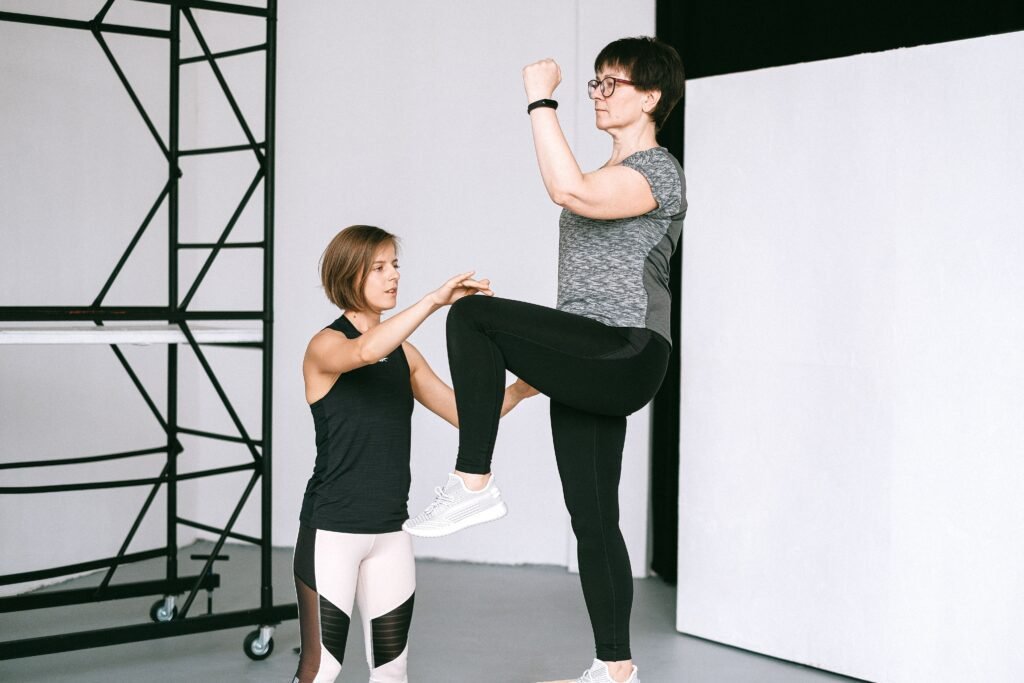
An elderly woman performs exercises with a fitness coach, focusing on a healthy lifestyle and wellness indoors.

How to do it:

  • Stand straight.
  • Lift your knees toward your chest.
  • Move your arms naturally.

Benefits:

  • Improves fitness level
  • Burns calories
  • Increases heart health

Minute 8: Glute Bridges

Glute bridges strengthen the hips and lower body.

How to do it:

  • Lie on your back.
  • Bend your knees.
  • Lift your hips upward.
  • Slowly return down.

Benefits:

  • Strengthens glutes
  • Supports lower back
  • Improves body stability

Minute 9: Bicycle Crunches

This exercise targets your abdominal muscles.

How to do it:

  • Lie on your back.
  • Move your legs like cycling.
  • Touch opposite elbow to knee.

Benefits:

  • Strengthens core
  • Improves abdominal endurance

Minute 10: Stretching and Breathing

Finish your workout with gentle stretching.

Benefits:

  • Relaxes muscles
  • Reduces stiffness
  • Improves flexibility

Take deep breaths and allow your body to recover.

Yes, home workouts are perfect for beginners because they are simple, affordable, and easy to follow.

A 10-minute home workout for beginners in 2026 is a simple way to start improving your health, burning fat, and building strength without going to the gym. Small daily actions create long-term results.

Start with these simple exercises, stay consistent, and slowly increase your fitness level. Your body will become stronger and healthier with time.

FAQs

1. Can a 10 minute home workout really help with weight loss?

Yes, a 10 minute home workout can help support weight loss by increasing calorie burn, improving metabolism, and building muscle. For better results, combine exercise with a healthy diet and daily movement.

2. Is 10 minutes of exercise enough for beginners?

Yes, 10 minutes is a great starting point for beginners. The most important thing is consistency. A short daily workout is better than doing a long workout occasionally.

3. Can I build muscle with a home workout without equipment?

Yes, beginners can build strength using bodyweight exercises like squats, push-ups, lunges, and planks. These exercises help improve muscle strength and endurance.

Weight loss has traditionally been associated with cardio, long walks, running, and strict diets. But in 2026, the conversation is changing.

More fitness experts are emphasizing strength training as an important part of a healthy weight-loss routine—not simply because it can help burn calories, but because maintaining muscle matters when you are trying to improve body composition.

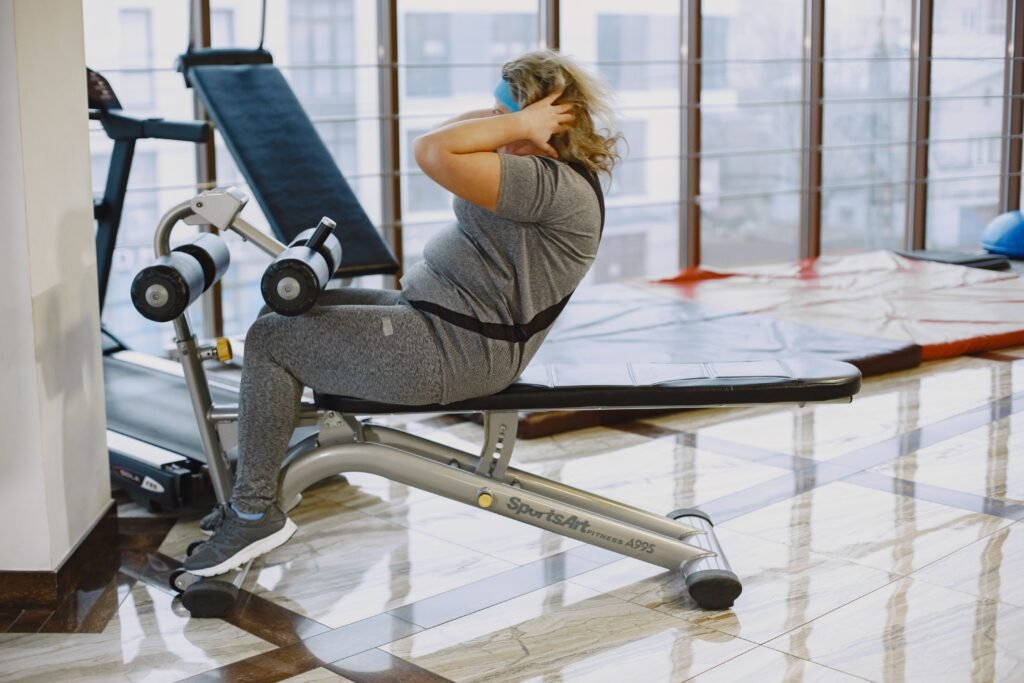
A woman performing sit-ups in a gym using a sit-up bench, focusing on fitness and exercise.

Recent fitness coverage has highlighted a shift toward strength training and muscle preservation, particularly as weight-loss medications such as GLP-1 drugs become more widely discussed.

The good news is that you don’t need an expensive gym membership to begin. Bodyweight exercises, resistance bands, dumbbells, and simple home workouts can all be useful.

What Is Strength Training?

Strength training is exercise that makes your muscles work against resistance.

That resistance can come from:

  • Your own body weight
  • Dumbbells
  • Resistance bands
  • Weight machines
  • Kettlebells
  • Household objects

Common strength exercises include squats, lunges, push-ups, rows, and overhead presses.

Unlike some forms of cardio, strength training focuses heavily on challenging your muscles.

Why Strength Training Can Help With Weight Loss

1. It Helps You Maintain Muscle

When people lose weight, the goal should not simply be to make the number on the scale smaller.

Maintaining muscle is important for strength, movement, and everyday physical function. A weight-loss plan that combines appropriate nutrition with resistance exercise can help make the process more focused on improving body composition.

A fit, shirtless man showcasing biceps while lifting a dumbbell in a gym setting.

This is one reason strength training is receiving more attention in today’s weight-management conversation.

2. It Makes Your Body Stronger

Weight loss isn’t the only measure of fitness.

You may notice that regular strength training makes everyday activities easier. Carrying groceries, climbing stairs, getting up from a chair, or lifting objects can become more comfortable as your muscles become stronger.

That can make exercise feel more rewarding than simply watching the scale.

3. You Can Train at Home

You don’t need a complete home gym.

Start with simple movements such as:

Bodyweight squats: 8–15 repetitions

Wall push-ups: 8–15 repetitions

Glute bridges: 10–15 repetitions

Chair sit-to-stands: 8–15 repetitions

Resistance-band rows: 8–15 repetitions

Choose exercises that match your current fitness level and focus on controlled movement rather than rushing through repetitions.

A Simple 20-Minute Beginner Routine

If you’re new to strength training, keep your first workouts simple.

Warm-up — 3 minutes

Walk around your room or march gently in place. Move your shoulders, hips, and ankles to prepare your body.

Squats — 10 repetitions

Keep your chest comfortable and lower yourself slowly. If regular squats are difficult, use a chair for support.

Wall Push-Ups — 10 repetitions

Place your hands against a wall and perform a controlled push-up. As you become stronger, you can gradually progress to a lower surface or eventually floor push-ups.

Glute Bridges — 12 repetitions

Lie on your back with your knees bent. Lift your hips gently and squeeze your glutes at the top.

Resistance-Band Rows — 10 repetitions

If you have a resistance band, use it for controlled pulling movements to train your upper back.

Rest — 30–60 seconds

Repeat the circuit two or three times depending on your fitness level.

Don’t Forget Walking

Strength training doesn’t mean you have to stop walking.

Walking remains an accessible way to stay physically active, and activity trackers can help people monitor movement and set realistic goals.

A balanced routine can combine:

Walking + Strength Training + Healthy Nutrition + Quality Sleep

This approach is generally more sustainable than relying on one exercise or one food.

How Often Should You Strength Train?

Beginners don’t need to train hard every day.

A practical starting point is two or three strength-training sessions per week, allowing recovery between challenging sessions.

On other days, you can focus on walking, mobility exercises, light activity, or rest.

The important thing is consistency.

What About Protein?

Protein is another major part of the current fitness conversation. The idea of increasing protein intake has become a major wellness trend in 2026, but more protein isn’t automatically better for everyone.

Instead of obsessing over extremely high protein intake, focus on including reasonable protein sources in balanced meals.

Examples include:

  • Eggs
  • Fish
  • Chicken
  • Yogurt
  • Milk
  • Beans
  • Lentils
  • Chickpeas
  • Tofu
  • Nuts and seeds
An appetizing breakfast spread featuring eggs, sausages, toast, and coffee on a marble surface.

Your individual protein needs depend on factors such as body size, age, activity level, and health status.

5 Mistakes to Avoid
Mistake 1: Starting Too Hard

Doing an intense workout on your first day can leave you extremely sore and make you want to quit.

Start gradually.

Mistake 2: Only Watching the Scale

Your weight can fluctuate because of water, food, and other factors. Track other improvements too, such as strength, energy, fitness, and how your clothes fit.

Mistake 3: Ignoring Recovery

Training is only one part of fitness. Your body also needs adequate recovery.

Recent fitness reporting has placed increasing emphasis on recovery alongside exercise.

Mistake 4: Using Poor Technique

More repetitions aren’t always better.

Learn the basic movement first, then gradually increase difficulty.

Mistake 5: Expecting Overnight Results

Healthy body-composition changes take time.

Instead of looking for dramatic results in a few days, build habits that you can maintain for months.

Strength training is becoming an increasingly important part of the 2026 weight-loss conversation. The goal isn’t simply to burn as many calories as possible. A smarter approach is to build a routine that supports strength, muscle, movement, nutrition, and long-term health.

You can start at home with just 15–20 minutes, two or three times a week.

Combine that with regular walking, balanced meals, adequate protein, and good recovery, and you have a much more complete fitness routine.

Remember: if you have a medical condition, an injury, or are taking weight-loss medication, speak with a qualified healthcare professional before making major changes to your exercise or diet routine.

Frequently Asked Questions (FAQs)

1. Is strength training good for weight loss?

Yes. Strength training can support weight loss by helping you build and maintain muscle while improving overall fitness. It works best when combined with a balanced diet and regular physical activity.

2. How many days a week should beginners do strength training?

Beginners can start with 2–3 strength-training sessions per week. Give your muscles enough recovery time between challenging workouts.

3. Can I do strength training at home?

Yes. You can start with bodyweight exercises such as squats, wall push-ups, lunges, glute bridges, and chair sit-to-stands. Resistance bands and dumbbells can be added as you progress.

4. Can strength training reduce belly fat?

Strength training can support overall fat loss and improve body composition, but you cannot specifically choose where your body loses fat. A consistent exercise routine and appropriate nutrition are more important than targeting one body area.

5. Is walking or strength training better for weight loss?

Both can be useful. Walking provides accessible aerobic activity, while strength training helps develop and maintain muscle. Combining both can create a more balanced fitness routine.

6. How long should a beginner strength workout last?

A beginner can start with 15–30 minutes per session. You don’t need extremely long workouts to make progress.

7. Do I need weights to start strength training?

No. Beginners can start with bodyweight exercises. As you become stronger, you can gradually add resistance bands, dumbbells, or other forms of resistance.

8. What should I eat after strength training?

A balanced meal containing protein, carbohydrates, vegetables or fruit, and healthy fats can support recovery. Examples include eggs with whole-grain toast, yogurt with fruit, or chicken with rice and vegetables.

9. Can strength training help beginners become stronger?

Yes. Consistent resistance exercise can improve muscular strength over time. Beginners should focus on proper technique and gradually increase the challenge.

10. How long does it take to see results from strength training?

Results vary from person to person. Many beginners notice improvements in strength and exercise performance before seeing major physical changes. Consistency over several weeks and months is key.

Walking has always been one of the simplest ways to stay active, but a new style called lymphatic walking is getting attention in the wellness world in 2026..Lymphatic Walking: The 10-Minute Walking Routine Trending in 2026.

Two women in active wear walking outdoors while smiling and carrying yoga mats.

Unlike intense cardio workouts, lymphatic walking focuses on gentle movement, comfortable walking, relaxed breathing and consistency.

Recent wellness coverage has highlighted it as a trending low-intensity movement routine, particularly because it is easy to fit into a busy day.

But is lymphatic walking really different from ordinary walking? And how can you try it safely?

Let’s break it down.

What Is Lymphatic Walking?

Lymphatic walking is a gentle walking routine that combines comfortable movement with controlled breathing and relaxed body movements.

The idea is simple: instead of walking as fast as possible, you focus on steady steps, relaxed shoulders, natural arm movement and deeper breathing.Lymphatic Walking: 10-Minute Routine & Benefits in 2026.

Lymphatic Walking: 10-Minute Routine & Benefits in 2026

Your calf and other muscles naturally contract when you walk, helping blood and fluid move through the body. Gentle movement can therefore be a useful part of an overall active lifestyle.

Importantly, lymphatic walking should not be viewed as a miracle treatment or a replacement for medical care.

Why Is Lymphatic Walking Trending in 2026?

One reason is that many people are moving away from complicated workout routines and looking for activities they can actually maintain.

Recent coverage has also highlighted the popularity of gentle walking routines, including short walks after meals and during periods of prolonged sitting.

Two women in trendy attire walking against a white background showing modern fashion sense.

Walking itself continues to receive strong attention because it can support cardiovascular health, physical activity levels, mood and weight management.

That makes gentle walking an attractive option for beginners and people who don’t enjoy intense workouts.

5 Potential Benefits of Lymphatic Walking

1. It Encourages Regular Movement

One of the biggest advantages is simplicity.

You don’t need a gym, expensive equipment or a complicated workout plan. A comfortable pair of shoes and a safe walking area are usually enough.

Even a short walk can help break up long periods of sitting.

2. It Supports Circulation

Walking activates muscles throughout the legs and body. The repeated muscle contractions help support normal blood circulation.

Regular movement is particularly useful for people who spend much of the day sitting.

3. It May Support Digestion

Gentle walking after eating is becoming increasingly popular.

Short walks can be a comfortable way to stay active after meals, and walking has been associated with benefits related to digestion and feelings of fullness.

However, avoid turning a post-meal walk into an intense workout.

4. It Can Support Weight Management

Walking burns energy and can contribute to an overall active lifestyle.

For weight management, consistency matters more than trying to destroy yourself with one extremely difficult workout.

Current 2026 fitness guidance continues to emphasize exercise as an important part of weight management.

5. It’s Beginner-Friendly

Not everyone is ready for running, HIIT or heavy strength training.

A gentle walking routine can be easier to start and maintain. You can gradually increase your walking time as your fitness improves.

How to Do a 10-Minute Lymphatic Walking Routine

Try this simple beginner routine:

Minute 1–2:
Walk slowly and comfortably. Relax your shoulders and allow your arms to move naturally.

Minute 3–5:
Increase your pace slightly while maintaining comfortable breathing.

Minute 6–8:
Continue walking at a steady pace. Focus on smooth steps rather than speed.

Minute 9–10:
Slow down gradually and take relaxed, comfortable breaths.

You can perform this routine indoors or outdoors, depending on your space and weather.

Can You Do It After Eating?

A gentle walk after a meal can be a reasonable way to add movement to your day.

The key is keeping the intensity comfortable. You don’t need to run or perform strenuous exercise immediately after eating.

A thoughtful woman in a cozy sweater eats dessert alone, reflecting deep thoughts.

If walking after meals causes discomfort, reduce the intensity or wait longer before exercising.

Lymphatic Walking vs. Normal Walking

The biggest difference is usually the focus, not the basic movement.

Normal walking can be performed at many intensities and for many different goals. Lymphatic walking generally emphasizes gentle movement, relaxed breathing and consistency.

There is no need to believe that the word “lymphatic” makes a simple walk dramatically more powerful.

The real value comes from regular physical activity and healthy habits.

Who Should Be Careful?

Lymphatic walking is generally a gentle form of activity, but it isn’t appropriate to assume that every exercise is safe for every person.

If you have significant swelling, unexplained pain, breathing problems, a diagnosed circulation or lymphatic condition, or another medical concern, speak with a qualified healthcare professional before starting a new exercise routine.

Stop exercising if you experience severe pain, dizziness, unusual shortness of breath or other concerning symptoms.

Lymphatic walking is one of the more interesting gentle-movement trends of 2026, but you don’t need to treat it as a miracle workout.

The biggest benefit is that it encourages people to move more consistently.

Start with 10 minutes, keep your pace comfortable and gradually build your activity over time. Combined with nutritious food, adequate sleep and other forms of exercise, regular walking can become a simple part of a healthier lifestyle.

Frequently Asked Questions

Is lymphatic walking good for weight loss?
It can contribute to weight management by increasing physical activity and energy expenditure, but it should be combined with an overall healthy lifestyle.

How long should I do lymphatic walking?
Beginners can start with around 10 minutes and gradually increase their walking time according to their fitness level.

Can I do lymphatic walking every day?
For many healthy adults, gentle walking can be part of a regular activity routine. Start gradually and listen to your body.

Is lymphatic walking better than normal walking?
Not necessarily. The term mainly describes a gentle, mindful style of walking. Regular walking itself has many established health benefits.

Can I do it after meals?
A gentle walk after eating can be comfortable for many people. Keep the intensity low and stop if you experience discomfort.

If you are trying to lose weight, breakfast does not have to be complicated. In fact, one of the easiest ways to improve your morning meal is to add more protein.

10 High-Protein Breakfast Ideas for Weight Loss…

An appetizing breakfast spread featuring eggs, sausages, toast, and coffee on a marble surface.

Protein can help you feel satisfied after eating and can make it easier to avoid constant snacking later in the day.

Instead of starting your morning with sugary cereal, biscuits, or a sweet drink, try building breakfast around protein, fiber, and nutritious whole foods.

Here are 10 simple high-protein breakfast ideas that can fit into almost any routine.

1. Eggs With Whole-Grain Toast

Eggs are one of the easiest breakfast foods to prepare.

You can make two eggs with whole-grain toast and add tomatoes, cucumber, or spinach on the side. This gives your breakfast a combination of protein, carbohydrates, fiber, and vegetables.

For extra flavor, add black pepper, herbs, or a small amount of chili.

Simple idea:
2 eggs + 1 slice whole-grain toast + vegetables.

2. Greek Yogurt With Fruit

Greek yogurt can be a convenient option when you do not have much time in the morning.

Add berries, an apple, banana slices, or another fruit you enjoy. You can also add a small amount of nuts or seeds.

Fresh green salad made with leafy vegetables, perfect for a healthy meal.

The combination of protein, fruit, and healthy fats can make a much more satisfying breakfast than a sugary snack.

Choose plain or lower-sugar yogurt when possible.

3. Oatmeal With Eggs

Oatmeal does not have to be a sweet meal.

You can prepare oats with milk or water and serve them with eggs on the side. Add vegetables such as spinach or tomatoes if you prefer a savory breakfast.

This is particularly useful for people who enjoy a traditional, filling morning meal.

4. Peanut Butter Banana Toast

For a quick breakfast, spread a moderate amount of natural peanut butter over whole-grain toast and add banana slices.

Peanut butter provides protein and healthy fats, while the banana provides carbohydrates and natural sweetness.

Because peanut butter is calorie-dense, you do not need a huge amount. A reasonable portion can add plenty of flavor without turning breakfast into a very high-calorie meal.

5. Chickpea Breakfast Bowl

Chickpeas are an inexpensive plant-based protein source.

Make a simple bowl with cooked chickpeas, tomatoes, cucumber, onions, and a little lemon juice. You can add a boiled egg if you want even more protein.

This can be especially useful if you prefer savory breakfasts instead of sweet foods.

6. Cottage Cheese With Fruit

Cottage cheese is another simple protein-rich option.

Serve it with fresh fruit such as berries, peaches, apples, or bananas. If you prefer a savory version, combine cottage cheese with cucumber, tomato, black pepper, and herbs.

This breakfast requires very little preparation, making it useful for busy mornings.

7. Vegetable Omelet

An omelet can turn a few basic ingredients into a filling breakfast.

Whisk eggs and add vegetables such as:

  • Spinach
  • Tomatoes
  • Mushrooms
  • Onions
  • Bell peppers

Cook everything together and serve with a small portion of whole-grain bread if desired.

This is an easy way to increase both protein and vegetable intake at breakfast.

8. Milk and Oat Smoothie

A smoothie can be convenient when you need breakfast on the go.

Blend milk or unsweetened yogurt with oats, banana, and a small amount of peanut butter.

A woman in a kitchen preparing a nutritious smoothie with fresh ingredients.

Avoid turning your smoothie into a dessert by adding lots of sugar, syrups, or sweetened ingredients.

If you use a protein powder, check the nutrition label and choose a product that fits your dietary needs.

9. Beans With Whole-Grain Roti

Beans can make a surprisingly satisfying breakfast.

You can have a small serving of cooked beans with whole-grain roti and vegetables. Add herbs and spices for flavor instead of relying on heavy sauces.

This is a simple option for people who prefer traditional South Asian-style meals.

10. Boiled Eggs and Fruit

Sometimes simple is best.

Two boiled eggs with a piece of fruit can make a quick breakfast when you are short on time.

You can prepare several eggs in advance and keep them refrigerated, making your morning routine easier.

Add cucumber or tomatoes if you want more volume and freshness.

Why Is Protein Important During Weight Loss?

When people try to lose weight, they often focus only on reducing calories.

However, the quality of those calories matters too.

Protein is an important nutrient needed for many functions in the body, including maintaining and repairing tissues.

During weight loss, getting enough protein along with regular physical activity can help support muscle maintenance.

A balanced weight-loss diet should not be based on starving yourself.

Instead, focus on nutritious foods that help you feel satisfied.

Does a High-Protein Breakfast Help You Eat Less?

For some people, a protein-rich breakfast may improve fullness and make it easier to manage hunger later in the morning.

However, there is no single breakfast that automatically causes weight loss.

Your overall eating pattern matters much more than one meal.

A top view of a diverse breakfast spread with nuts and fresh fruits for a nutritious start.

If your breakfast is nutritious but you regularly consume large portions of high-calorie foods later in the day, weight loss may still be difficult.

Think of breakfast as one part of the bigger picture.

How Much Protein Should Breakfast Have?

There is no single protein target that everyone needs at breakfast.

Your ideal amount depends on your age, body size, activity level, total daily diet, and health goals.

A simple approach is to include a clear protein source in every main meal.

For example:

Breakfast: Eggs or Greek yogurt
Lunch: Chicken, fish, beans, or lentils
Dinner: Fish, meat, tofu, beans, or another protein source

This can make it easier to distribute protein throughout the day rather than trying to consume a huge amount at one meal.

Common Breakfast Mistakes to Avoid

Even a breakfast that looks healthy can become very high in calories if portions are too large.

Watch out for:

  • Sugary cereals
  • Large amounts of peanut butter
  • Sweetened yogurt
  • Sugary coffee drinks
  • Pastries and donuts
  • Excessive toppings
  • Large smoothie portions

You do not have to completely avoid these foods.

The goal is to make nutritious foods the foundation of your normal routine.

A Simple Weight-Loss Breakfast Formula

If you do not want to follow specific recipes, use this simple formula:

Protein + Fiber + Healthy Fat + Fruit or Vegetables

For example:

Eggs + whole-grain toast + avocado + tomatoes

Or:

Greek yogurt + berries + nuts

Or:

Chickpeas + vegetables + whole-grain roti

This gives you plenty of flexibility while keeping your breakfast balanced.

Final Thoughts

A good weight-loss breakfast does not need expensive ingredients, complicated recipes, or special diet foods.

Start with a protein source, add vegetables or fruit, choose high-fiber carbohydrates when appropriate, and keep portions reasonable.

Most importantly, remember that weight loss is not determined by breakfast alone. Your total diet, physical activity, sleep, stress, and long-term consistency all matter.

Choose breakfasts you actually enjoy. When healthy eating feels realistic rather than restrictive, it becomes much easier to maintain over time.

Frequently Asked Questions

Is eating a high-protein breakfast good for weight loss?

A protein-rich breakfast can help with fullness and can be part of a balanced weight-loss diet. Your overall calorie intake and lifestyle still matter.

Can I eat eggs every morning?

Eggs can be part of a healthy diet for many people. Pair them with vegetables, whole grains, or fruit to create a more balanced meal.

What is the best breakfast for losing belly fat?

There is no specific food that directly burns belly fat. A balanced diet, regular activity, sufficient sleep, and an appropriate calorie intake are more important.

Can I eat roti for breakfast while trying to lose weight?

Yes. Portion size and the overall meal matter. Pairing whole-grain roti with eggs, beans, yogurt, or another protein source can make a balanced breakfast.

Should I skip breakfast to lose weight?

Not necessarily. Some people prefer eating breakfast while others do not. What matters most is whether your overall eating pattern supports your goals and nutritional needs.

Walking is one of the simplest ways to become more active, but many people still wonder: How many steps should you walk each day to lose weight?How Many Steps Should You Walk a Day to Lose Weight in 2026,,,

Close-up of two people in sneakers walking down a desert road.

You may have heard that 10,000 steps a day is the magic number. The truth is a little different. You do not necessarily need to reach 10,000 steps every day to see health benefits.

Research and expert guidance suggest that benefits can begin at much lower step counts, while consistency and walking intensity are often more important than chasing one specific number.

If your goal is weight loss, walking can be an excellent starting point because it is affordable, accessible, and easy to fit into a normal daily routine.

Is 10,000 Steps Really Necessary for Weight Loss?

Not necessarily.

The 10,000-step target became popular as a simple fitness goal, but it is not a universal medical requirement. Health benefits can appear well below 10,000 steps, and some research highlighted by Northwestern Medicine points to meaningful benefits around 5,000–7,000 steps for many people.

How Many Steps Should You Walk a Day to Lose Weight in 2026

For weight loss, however, your total activity, food intake, sleep, body size, walking speed, and consistency all matter.

Someone who currently walks 2,000 steps a day may benefit significantly from increasing gradually to 4,000 or 5,000 steps.

How Many Steps Should You Aim for?

There is no single number that works for everyone.

A practical approach is:

  • 2,000–4,000 steps: A good starting point if you are mostly inactive.
  • 5,000–7,000 steps: A realistic daily target for many beginners.
  • 7,000–10,000 steps: A useful goal if your body is comfortable with regular walking.
  • 10,000+ steps: Optional, not mandatory.

The important thing is to increase your activity gradually rather than suddenly forcing yourself to walk thousands of extra steps.

If you currently average 3,000 steps, try adding 500–1,000 steps at a time.

Walking Speed Matters Too

Your step count is only part of the story.

Walking at a comfortable pace is beneficial, but adding periods of brisk walking can make your workout more challenging.

How Many Steps Should You Walk a Day to Lose Weight in 2026

During brisk walking, you should feel your breathing increase while still being able to talk.

For example, instead of walking slowly for 30 minutes, you could try:

5 minutes: Easy warm-up
20 minutes: Brisk walking
5 minutes: Easy cool-down

This simple routine can be easier to maintain than trying to complete an enormous number of steps every day.

Can Walking Alone Help You Lose Weight?

Yes, walking can contribute to weight loss, but it is not a magic solution.

Weight loss generally requires creating a calorie deficit over time. Walking increases your physical activity and can help you burn additional calories, but nutrition also plays an important role.

A better strategy is to combine walking with healthy eating.

Focus on foods such as:

  • Eggs
  • Fish or lean meat
  • Beans and lentils
  • Vegetables
  • Fruits
  • Whole grains
  • Yogurt
  • Nuts and seeds in reasonable portions

You do not need to completely eliminate carbohydrates or follow an extreme diet.

Try the 30-Minute Walking Method

If you are busy, you do not have to complete your walking session all at once.

Try splitting it throughout the day.

For example:

10 minutes after breakfast

10 minutes after lunch

10 minutes after dinner

That gives you 30 minutes of walking without requiring a large block of free time.

Walking after meals can also be an easy way to add movement to your normal routine.

A Simple 7-Day Walking Plan

If you are starting from a low activity level, try this simple plan:

Day 1: 4,000 steps
Day 2: 4,500 steps
Day 3: 5,000 steps
Day 4: 4,500 steps
Day 5: 5,500 steps
Day 6: 6,000 steps
Day 7: Easy walk and recovery

You can adjust these numbers according to your current fitness level.

The goal is not to finish the week exhausted. The goal is to create a routine you can repeat.

What About Walking for 60 Minutes?

If you enjoy walking, a longer session can be useful.

A 45–60 minute walk can increase your daily activity considerably, especially when performed at a moderate or brisk pace.

However, more is not always better.

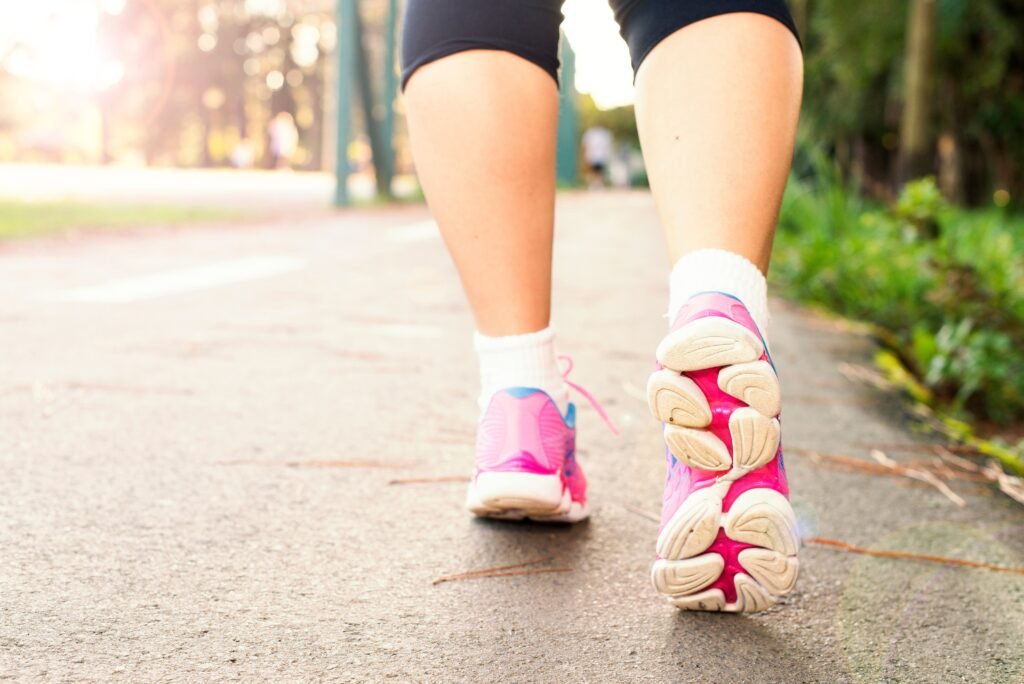
A woman walks down a sunlit path in summer, highlighting leisure and travel outdoors.

If walking for an hour causes foot pain, knee discomfort, extreme fatigue, or makes you stop exercising for several days, reduce the duration.

Consistency beats occasional extreme workouts.

Walking and Muscle: Don’t Ignore Strength Training

Walking is excellent for cardiovascular activity and general movement, but if your goal is to improve your body composition, adding strength training can be helpful.

Try simple exercises such as:

  • Squats
  • Wall push-ups
  • Glute bridges
  • Resistance-band rows
  • Step-ups

You can perform strength exercises two or three times per week, depending on your fitness level.

This combination of walking, resistance exercise, and balanced nutrition creates a more complete fitness routine.

What If You Can’t Reach 10,000 Steps?

Don’t worry.

One of the biggest mistakes beginners make is thinking that a workout only counts if they reach a specific number.

If you walk 4,000 steps today, that is still movement.

If tomorrow you walk 5,000, you are making progress.

The best target is often the one that challenges you without making you quit.

Even recent health guidance emphasizes that the benefits of walking begin below the traditional 10,000-step target.

How to Get More Steps Without Going to the Gym

You can increase your daily steps through small changes.

Try:

  • Taking the stairs when practical
  • Parking slightly farther away
  • Walking while talking on the phone
  • Taking a short walk after meals
  • Doing household chores
  • Walking to nearby shops
  • Taking a 5–10 minute movement break during long sitting periods

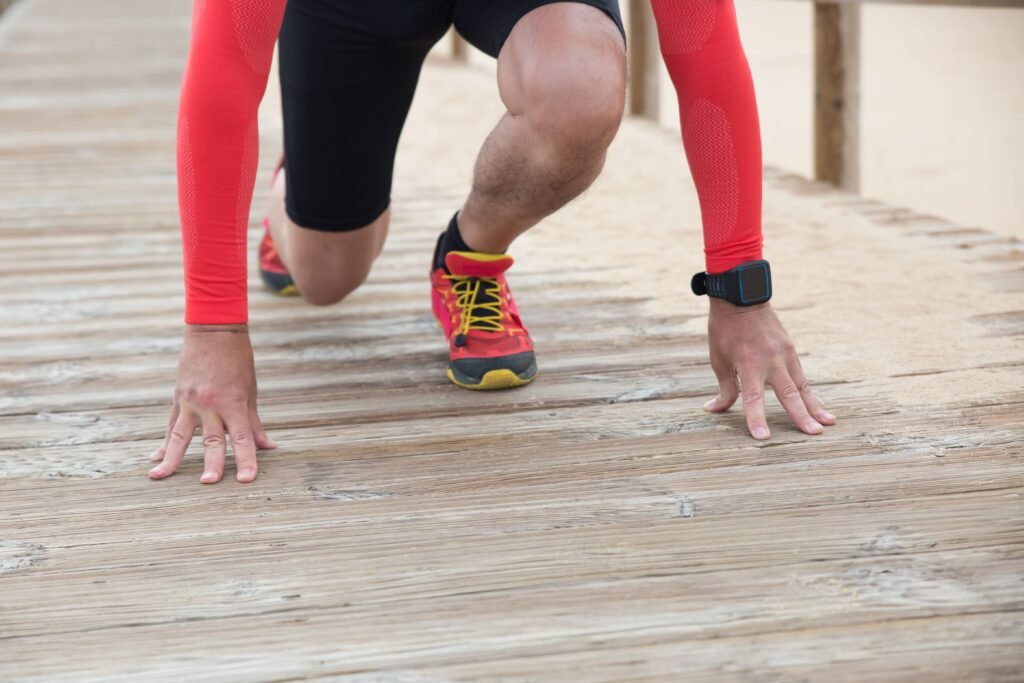
Athlete in red gear gets ready to sprint on a wooden path in sunny outdoor setting.

These small activities can add up throughout the day.

Final Thoughts

So, how many steps should you walk a day to lose weight in 2026?

There is no magic number.

For many people, 5,000–7,000 steps can be a practical starting target, while gradually working toward 7,000–10,000 steps can provide more daily activity if it fits your lifestyle. The most important thing is consistency, along with a balanced diet and adequate recovery.

Start where you are, increase gradually, and make walking part of your everyday life.

You don’t need a perfect fitness routine.

You just need to keep moving.

Frequently Asked Questions

1. Is 5,000 steps a day enough for weight loss?

It can be a useful starting point, especially if you currently have a low activity level. Your diet, walking intensity, and overall activity also affect weight loss.

2. Can I lose weight by walking 10,000 steps every day?

Walking 10,000 steps can increase daily energy expenditure and support weight management, but weight loss also depends on your overall calorie intake and lifestyle.

3. Is walking better than running for beginners?

Walking is generally easier to start and can be lower impact. Running may burn more calories in less time, but the best exercise is one you can perform safely and consistently.

4. Should I walk every day?

Light-to-moderate walking can be part of a daily routine. If you develop pain or unusual fatigue, reduce your activity and allow your body to recover.

5. What is the best time to walk for weight loss?

There is no universally proven “magic” time. Choose a time that fits your schedule so you can remain consistent.