
Walking is one of the simplest ways to become more active, but many people still wonder: How many steps should you walk each day to lose weight?How Many Steps Should You Walk a Day to Lose Weight in 2026,,,

You may have heard that 10,000 steps a day is the magic number. The truth is a little different. You do not necessarily need to reach 10,000 steps every day to see health benefits.
Research and expert guidance suggest that benefits can begin at much lower step counts, while consistency and walking intensity are often more important than chasing one specific number.
If your goal is weight loss, walking can be an excellent starting point because it is affordable, accessible, and easy to fit into a normal daily routine.
Is 10,000 Steps Really Necessary for Weight Loss?
Not necessarily.
The 10,000-step target became popular as a simple fitness goal, but it is not a universal medical requirement. Health benefits can appear well below 10,000 steps, and some research highlighted by Northwestern Medicine points to meaningful benefits around 5,000–7,000 steps for many people.
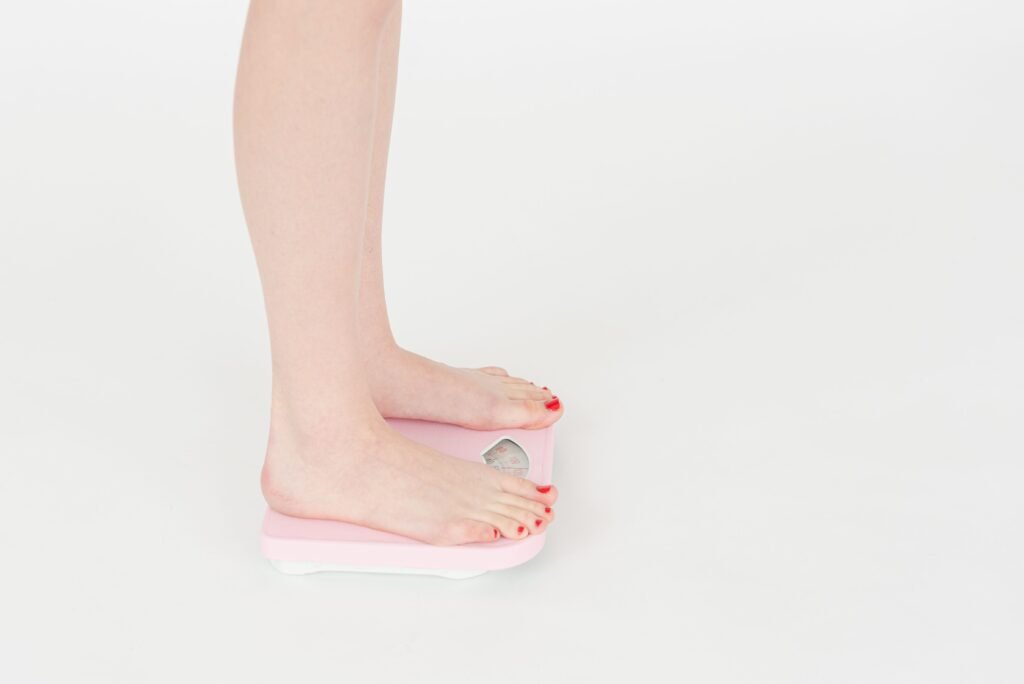
For weight loss, however, your total activity, food intake, sleep, body size, walking speed, and consistency all matter.
Someone who currently walks 2,000 steps a day may benefit significantly from increasing gradually to 4,000 or 5,000 steps.
How Many Steps Should You Aim for?
There is no single number that works for everyone.
A practical approach is:
- 2,000–4,000 steps: A good starting point if you are mostly inactive.
- 5,000–7,000 steps: A realistic daily target for many beginners.
- 7,000–10,000 steps: A useful goal if your body is comfortable with regular walking.
- 10,000+ steps: Optional, not mandatory.
The important thing is to increase your activity gradually rather than suddenly forcing yourself to walk thousands of extra steps.
If you currently average 3,000 steps, try adding 500–1,000 steps at a time.
Walking Speed Matters Too
Your step count is only part of the story.
Walking at a comfortable pace is beneficial, but adding periods of brisk walking can make your workout more challenging.
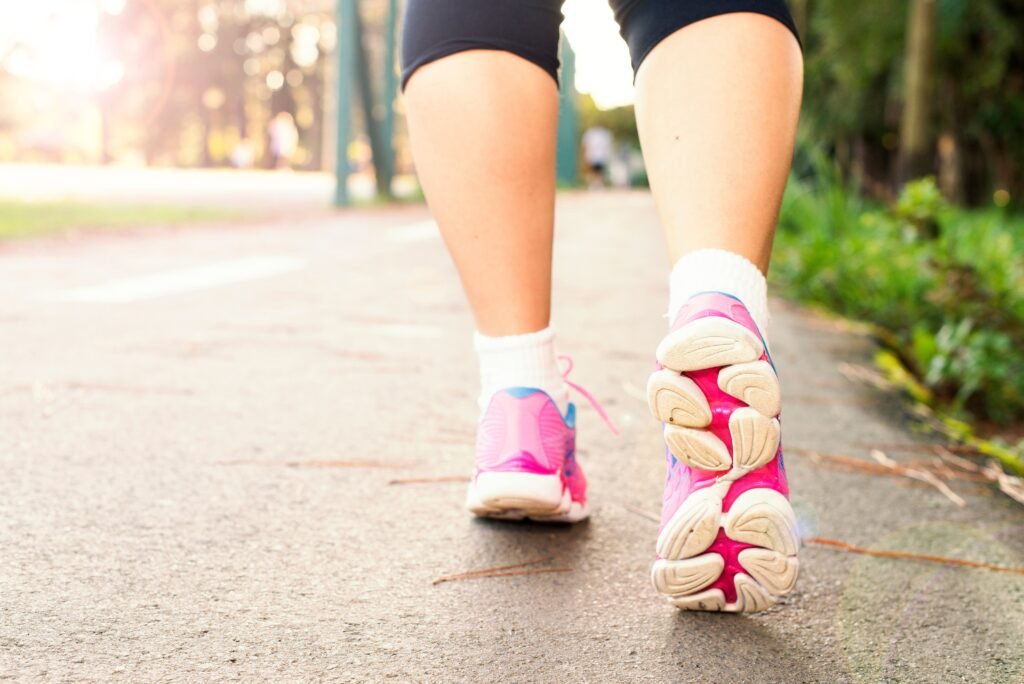
During brisk walking, you should feel your breathing increase while still being able to talk.
For example, instead of walking slowly for 30 minutes, you could try:
5 minutes: Easy warm-up
20 minutes: Brisk walking
5 minutes: Easy cool-down
This simple routine can be easier to maintain than trying to complete an enormous number of steps every day.
Can Walking Alone Help You Lose Weight?
Yes, walking can contribute to weight loss, but it is not a magic solution.
Weight loss generally requires creating a calorie deficit over time. Walking increases your physical activity and can help you burn additional calories, but nutrition also plays an important role.
A better strategy is to combine walking with healthy eating.
Focus on foods such as:
- Eggs
- Fish or lean meat
- Beans and lentils
- Vegetables
- Fruits
- Whole grains
- Yogurt
- Nuts and seeds in reasonable portions
You do not need to completely eliminate carbohydrates or follow an extreme diet.
Try the 30-Minute Walking Method
If you are busy, you do not have to complete your walking session all at once.
Try splitting it throughout the day.
For example:
10 minutes after breakfast
10 minutes after lunch
10 minutes after dinner
That gives you 30 minutes of walking without requiring a large block of free time.
Walking after meals can also be an easy way to add movement to your normal routine.
A Simple 7-Day Walking Plan
If you are starting from a low activity level, try this simple plan:
Day 1: 4,000 steps
Day 2: 4,500 steps
Day 3: 5,000 steps
Day 4: 4,500 steps
Day 5: 5,500 steps
Day 6: 6,000 steps
Day 7: Easy walk and recovery
You can adjust these numbers according to your current fitness level.
The goal is not to finish the week exhausted. The goal is to create a routine you can repeat.
What About Walking for 60 Minutes?
If you enjoy walking, a longer session can be useful.
A 45–60 minute walk can increase your daily activity considerably, especially when performed at a moderate or brisk pace.
However, more is not always better.

If walking for an hour causes foot pain, knee discomfort, extreme fatigue, or makes you stop exercising for several days, reduce the duration.
Consistency beats occasional extreme workouts.
Walking and Muscle: Don’t Ignore Strength Training
Walking is excellent for cardiovascular activity and general movement, but if your goal is to improve your body composition, adding strength training can be helpful.
Try simple exercises such as:
- Squats
- Wall push-ups
- Glute bridges
- Resistance-band rows
- Step-ups
You can perform strength exercises two or three times per week, depending on your fitness level.
This combination of walking, resistance exercise, and balanced nutrition creates a more complete fitness routine.
What If You Can’t Reach 10,000 Steps?
Don’t worry.
One of the biggest mistakes beginners make is thinking that a workout only counts if they reach a specific number.
If you walk 4,000 steps today, that is still movement.
If tomorrow you walk 5,000, you are making progress.
The best target is often the one that challenges you without making you quit.
Even recent health guidance emphasizes that the benefits of walking begin below the traditional 10,000-step target.
How to Get More Steps Without Going to the Gym
You can increase your daily steps through small changes.
Try:
- Taking the stairs when practical
- Parking slightly farther away
- Walking while talking on the phone
- Taking a short walk after meals
- Doing household chores
- Walking to nearby shops
- Taking a 5–10 minute movement break during long sitting periods
These small activities can add up throughout the day.
Final Thoughts
So, how many steps should you walk a day to lose weight in 2026?
There is no magic number.
For many people, 5,000–7,000 steps can be a practical starting target, while gradually working toward 7,000–10,000 steps can provide more daily activity if it fits your lifestyle. The most important thing is consistency, along with a balanced diet and adequate recovery.
Start where you are, increase gradually, and make walking part of your everyday life.
You don’t need a perfect fitness routine.
You just need to keep moving.
Frequently Asked Questions
1. Is 5,000 steps a day enough for weight loss?
It can be a useful starting point, especially if you currently have a low activity level. Your diet, walking intensity, and overall activity also affect weight loss.
2. Can I lose weight by walking 10,000 steps every day?
Walking 10,000 steps can increase daily energy expenditure and support weight management, but weight loss also depends on your overall calorie intake and lifestyle.
3. Is walking better than running for beginners?
Walking is generally easier to start and can be lower impact. Running may burn more calories in less time, but the best exercise is one you can perform safely and consistently.
4. Should I walk every day?
Light-to-moderate walking can be part of a daily routine. If you develop pain or unusual fatigue, reduce your activity and allow your body to recover.
5. What is the best time to walk for weight loss?
There is no universally proven “magic” time. Choose a time that fits your schedule so you can remain consistent.