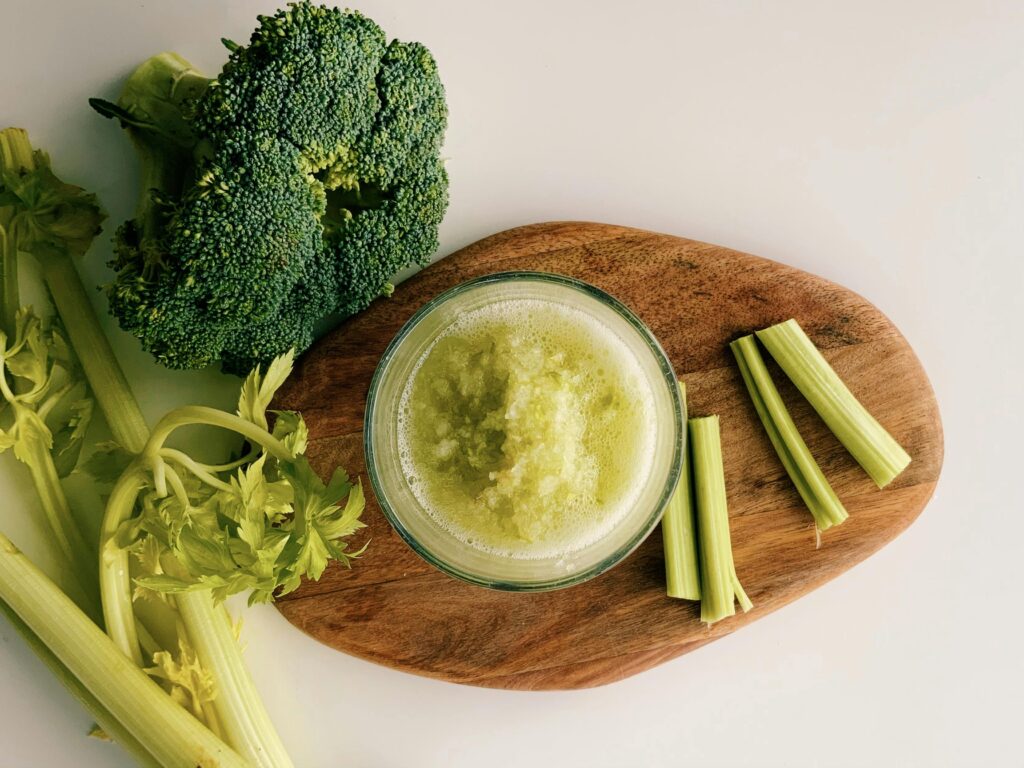
Your immune system is your body’s natural defense system. It works around the clock to protect you from infections and helps your body recover when you become sick.Top Foods That Boost Your Immune System Naturally

While no single food can magically prevent illness, eating a balanced diet rich in vitamins, minerals, protein, fiber, and antioxidants can help support normal immune function.
The good news is that many immune-supporting foods are affordable, easy to find, and simple to add to everyday meals.
Here are some of the top foods that boost your immune system naturally.
1. Citrus Fruits
Oranges, lemons, grapefruits, mandarins, and other citrus fruits are well known for their vitamin C content.
Vitamin C supports normal immune function and also acts as an antioxidant. Your body doesn’t store large amounts of vitamin C, so regularly eating vitamin-C-rich foods can help you meet your nutritional needs.
Easy Ways to Eat More Citrus
- Add lemon to water.
- Eat an orange as a snack.
- Add grapefruit to breakfast.
- Mix fresh citrus into a fruit salad.
2. Yogurt
Yogurt can be a nutritious addition to an immune-supporting diet. Many yogurts contain live cultures, and the digestive system plays an important role in overall health.

Choose plain or low-added-sugar yogurt when possible. You can combine it with berries, nuts, seeds, or oats for a balanced breakfast.
Try This
Mix plain yogurt with:
- Blueberries
- Strawberries
- Chia seeds
- Walnuts
- A small amount of honey
This makes a simple nutrient-rich breakfast or snack.
3. Garlic
Garlic has been used in traditional diets for centuries and contains sulfur-containing compounds that give it its distinctive smell and flavor.
Adding garlic to meals is an easy way to make healthy food more flavorful without relying heavily on salt or processed sauces.
How to Use Garlic
Add fresh garlic to:
- Soups
- Vegetables
- Lentils
- Chicken
- Fish
- Homemade sauces
4. Ginger
Ginger is another flavorful food that can easily become part of a healthy diet.
It contains naturally occurring compounds that have antioxidant and anti-inflammatory properties. Ginger is also commonly used in teas and meals.
Simple Ginger Drink
Add a few slices of fresh ginger to hot water. You can add lemon for extra flavor.
Avoid adding large amounts of sugar if you’re trying to keep the drink healthy.
5. Spinach and Other Leafy Greens
Spinach, kale, and other dark leafy greens provide several important nutrients, including folate, vitamin C, vitamin K, and carotenoids.
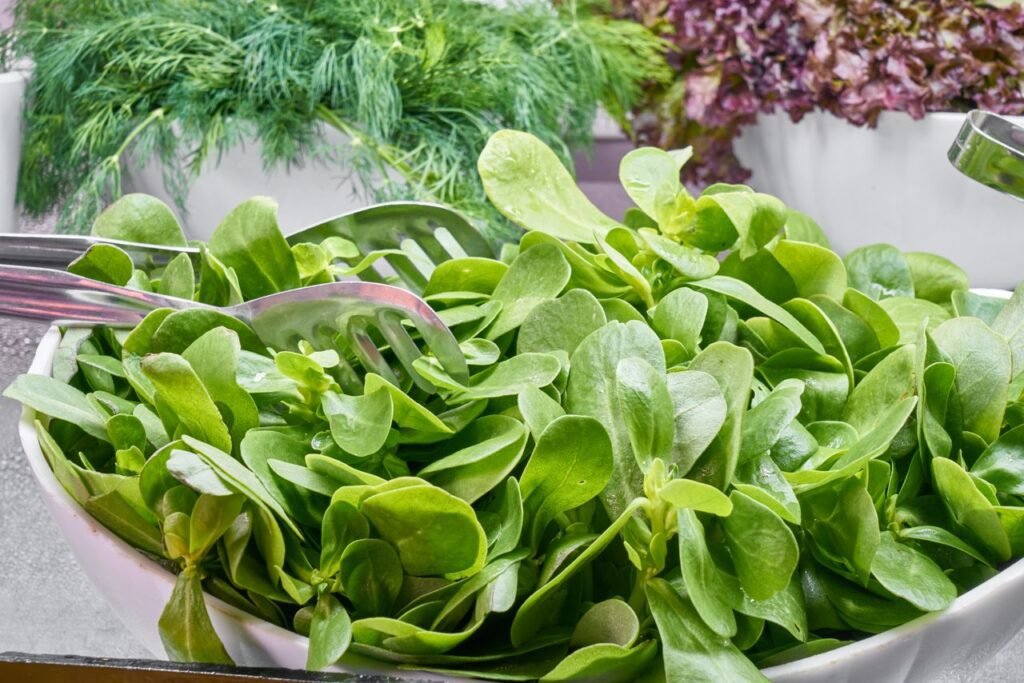
Eating a variety of vegetables is more important than relying on one “superfood.”
Easy Ways to Add Greens
- Add spinach to eggs.
- Put leafy greens in sandwiches.
- Add kale to soups.
- Mix spinach into smoothies.
- Serve a green salad with lunch or dinner.
6. Berries
Strawberries, blueberries, raspberries, and blackberries are packed with nutrients and plant compounds.
Their colorful appearance comes partly from naturally occurring compounds called polyphenols and other antioxidants.
Berries are also an easy alternative to highly processed sweet snacks.
Healthy Snack Idea
Combine:
Greek yogurt + berries + walnuts
This gives you protein, fruit, and healthy fats in one simple snack.
7. Almonds and Other Nuts
Nuts provide nutrients such as vitamin E, magnesium, healthy fats, and protein.
Vitamin E is an antioxidant that supports normal immune function.
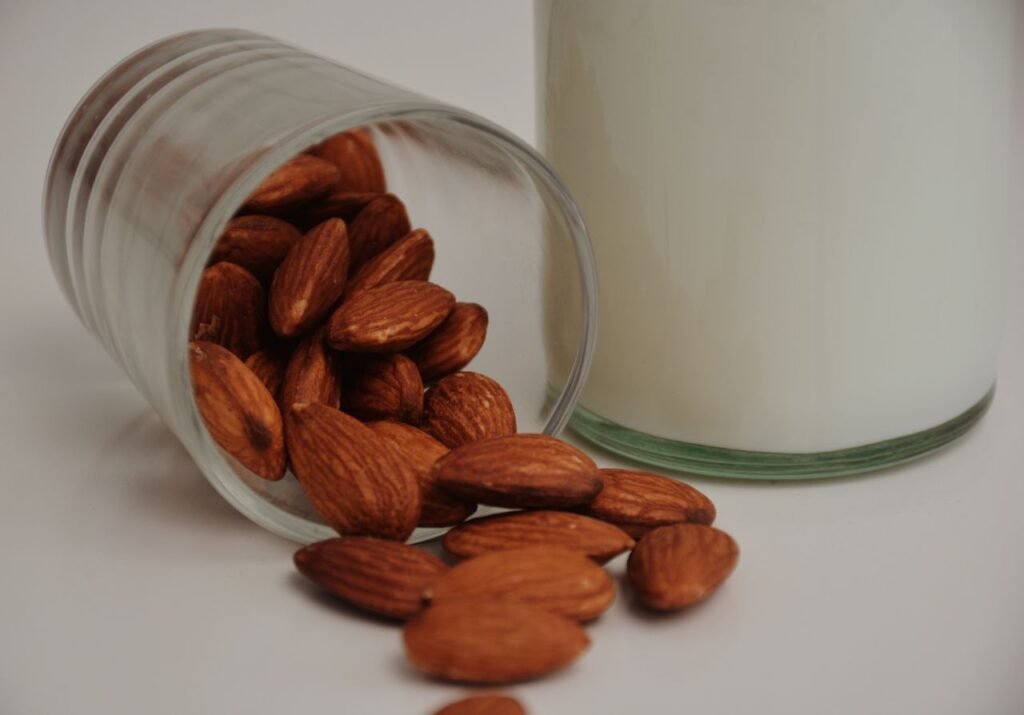
Because nuts are calorie-dense, you don’t need a huge amount. A small handful can make a convenient snack.
Good Choices Include
- Almonds
- Walnuts
- Pistachios
- Cashews
- Hazelnuts
Choose unsalted nuts when possible.
8. Eggs
Eggs are an affordable source of high-quality protein and provide several vitamins and minerals.
Protein is important because your body needs it to build and maintain cells and tissues, including components involved in immune function.
Try boiled eggs for breakfast or add them to a vegetable-based meal.
9. Fatty Fish
Salmon, sardines, mackerel, and other oily fish provide protein and omega-3 fatty acids.
Omega-3 fats are important components of cell membranes and play roles in normal inflammatory processes.
Including fish as part of a balanced diet can provide several valuable nutrients at the same time.
Simple Meal
Try grilled salmon with:
- Spinach
- Brown rice
- Broccoli
- Lemon
10. Sweet Potatoes
Sweet potatoes are rich in beta-carotene, which the body can convert into vitamin A.
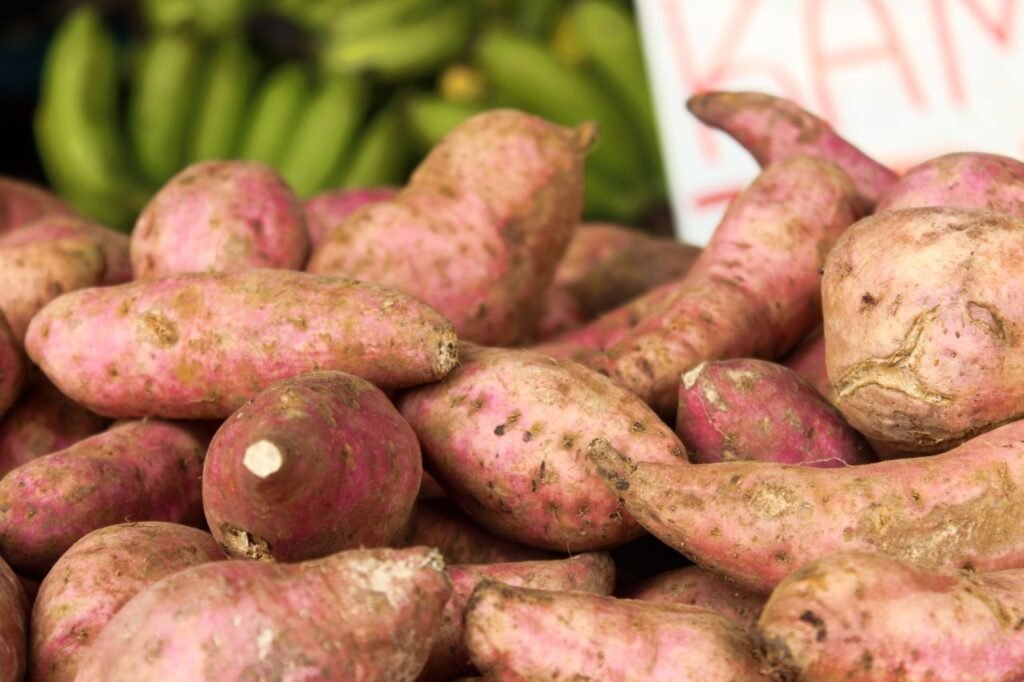
Vitamin A is important for maintaining normal immune function and healthy tissues.
You can bake, roast, or steam sweet potatoes instead of deep-frying them.
11. Broccoli
Broccoli is a nutrient-dense vegetable containing vitamin C, vitamin K, folate, and other beneficial plant compounds.
It is easy to add to almost any meal.Top Foods That Boost Your Immune System Naturally,,
Try steaming broccoli lightly and serving it with chicken, fish, lentils, or brown rice.
12. Beans and Lentils
Beans, chickpeas, and lentils are excellent sources of plant protein and fiber.
They also provide nutrients such as folate, iron, magnesium, and zinc depending on the variety.
For people looking for affordable healthy foods, lentils and beans are especially useful.
Try These
- Daal
- Chickpea salad
- Bean soup
- Lentil curry
- Hummus
Top Foods That Boost Your Immune System Naturally,,
Don’t Forget About Zinc and Vitamin D
A healthy immune system needs many different nutrients—not just vitamin C.
Zinc can be found in foods such as meat, seafood, dairy products, beans, nuts, and seeds.
Vitamin D is found naturally in a smaller number of foods, including fatty fish and egg yolks, while some foods are fortified with vitamin D.
If you’re concerned that your diet may not provide enough of a particular nutrient, speak with a healthcare professional before starting supplements.
Foods to Limit for Better Overall Health
Supporting your immune system isn’t only about adding healthy foods. It’s also helpful to limit foods that provide lots of calories but few essential nutrients.
Try to reduce your intake of:
- Sugary drinks
- Highly processed snacks
- Excessive added sugar
- Deep-fried foods
- Highly processed meats
- Excessive alcohol
You don’t have to completely eliminate your favorite foods. The goal is to make nutritious foods the foundation of your regular diet.
Simple Immune-Supporting Meal Plan
Here’s an easy example of how you can include these foods throughout your day.
Breakfast
Eggs + whole-grain toast + orange
Mid-Morning Snack
Plain yogurt + berries + almonds
Lunch
Lentil soup + leafy green salad + whole-grain bread
Evening Snack
Apple + small handful of walnuts
Dinner
Grilled fish or chicken + broccoli + sweet potato
Drink
Water throughout the day
This type of meal pattern provides a variety of nutrients instead of depending on one particular food.
No single food can guarantee that you won’t catch a cold, flu, or other infection.
Good nutrition supports your body’s normal immune function, but other habits matter too. Getting enough sleep, staying physically active, managing stress, practicing good hygiene, and following recommended vaccinations are also important parts of overall health.
If you have a medical condition or take medications, your nutritional needs may be different.
The best way to support your immune system naturally is to focus on your overall eating pattern rather than searching for one miracle food.
Include a variety of fruits, vegetables, whole grains, protein-rich foods, nuts, seeds, and healthy fats in your diet. Foods such as citrus fruits, yogurt, garlic, ginger, leafy greens, berries, nuts, eggs, fish, sweet potatoes, broccoli, beans, and lentils can all contribute valuable nutrients to a balanced diet.
Small improvements made consistently can have a much bigger impact than looking for a quick fix.
Frequently Asked Questions
What is the best food for the immune system?
There isn’t one single “best” food. A varied diet containing fruits, vegetables, protein-rich foods, whole grains, nuts, seeds, and healthy fats provides a broad range of nutrients needed for normal immune function.
Does vitamin C boost immunity?
Vitamin C is an essential nutrient that supports normal immune function. Citrus fruits, strawberries, bell peppers, broccoli, and other fruits and vegetables can provide vitamin C.
Is garlic good for the immune system?
Garlic contains naturally occurring sulfur compounds and can be part of a healthy, balanced diet. However, it should not be considered a cure or guaranteed prevention for infections.
What should I eat when I feel sick?
If you’re unwell, focus on staying hydrated and eating foods you can comfortably tolerate. Soups, fruits, yogurt, eggs, vegetables, and other nutritious foods can be useful choices depending on your appetite.
Can I take supplements instead of eating healthy foods?
Supplements cannot replace a balanced diet. If you suspect a vitamin or mineral deficiency, it’s better to discuss it with a healthcare professional rather than taking high-dose supplements on your own.
How can I naturally support my immune system?
Eat a balanced diet, stay physically active, get adequate sleep, drink enough fluids, manage stress, avoid smoking, and follow recommended preventive healthcare measures.